
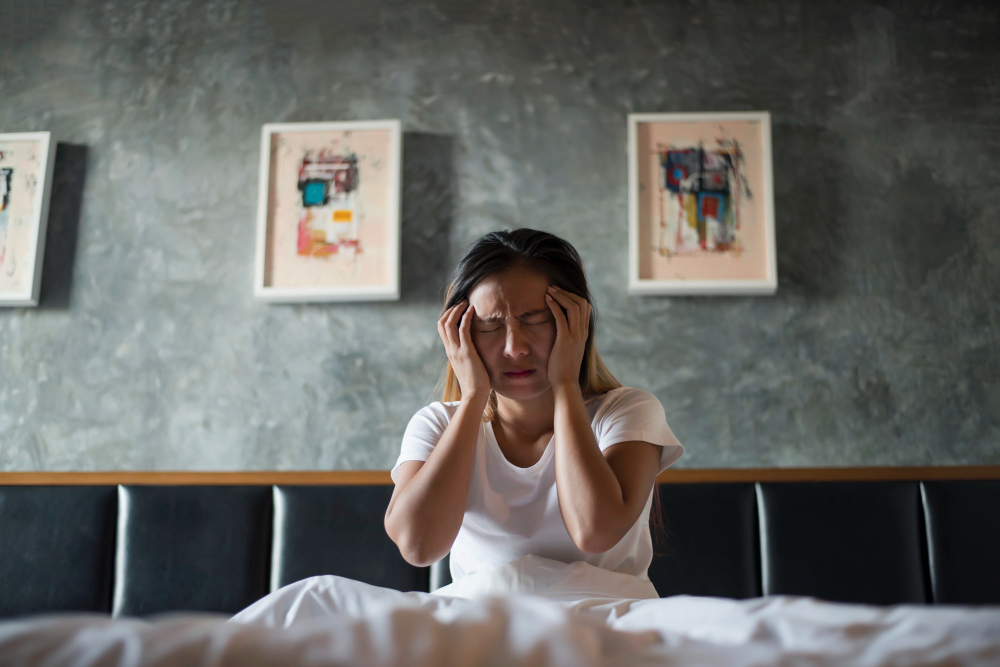
What Is Stress, Anxiety, and Depression-Related Insomnia?
Many people find it hard to sleep when they feel stressed, anxious, or depressed. This is called stress, anxiety, and depression-related insomnia. It means you have trouble falling asleep, staying asleep, or waking up too early. Often, your mind feels busy or worried at night. Because of this, you may feel tired during the day. Mental health insomnia is common and affects people of all ages. According to the CDC, about one in three adults do not get enough sleep. If you have ongoing sleep problems linked to your mood, it is important to understand why this happens and how to get help.
Common Symptoms
Insomnia caused by stress, anxiety, or depression can show up in many ways. For example, you may notice:
Sometimes, these symptoms can make daily life harder. But with the right help, you can improve your sleep.
Main Causes and Risk Factors
There are several reasons why stress, anxiety, and depression can lead to insomnia. For instance, when you feel stressed, your body releases hormones that keep you alert. This makes it hard to relax at night. Anxiety can cause racing thoughts that stop you from falling asleep. Depression may change your sleep patterns, making you wake up early or sleep less deeply. Other risk factors include:
Understanding how stress causes sleep problems can help you find better solutions.
Diagnosis and When to Seek Help
If you have trouble sleeping for more than a few weeks, it is time to talk to a doctor. They may ask about your sleep habits, mood, and daily life. Sometimes, you may need to keep a sleep diary. In some cases, your doctor may check for other health problems that affect sleep. Early diagnosis can help you get the right treatment. If you feel very sad, hopeless, or have thoughts of self-harm, seek help right away. Remember, you are not alone, and support is available.
Evidence-Based Treatment Options
There are many ways to treat insomnia linked to stress, anxiety, or depression. Most treatments are safe and effective. Some common options include:
Always talk to your doctor before starting any new treatment. Overcoming anxiety-related insomnia often takes time and patience.
Lifestyle Tips for Better Sleep
Simple changes can make a big difference in your sleep. For example, try these tips:
In addition, natural remedies for depression insomnia, such as herbal teas or gentle stretching, may help some people. However, always check with your doctor first.
Prevention Strategies
Preventing insomnia starts with caring for your mind and body. Here are some ways to lower your risk:
By building good habits, you can protect your sleep and mental health.
Frequently Asked Questions (FAQ)
If you struggle with insomnia related to stress, anxiety, or depression, consult a mental health professional at Gold Hospital for personalized advice.