
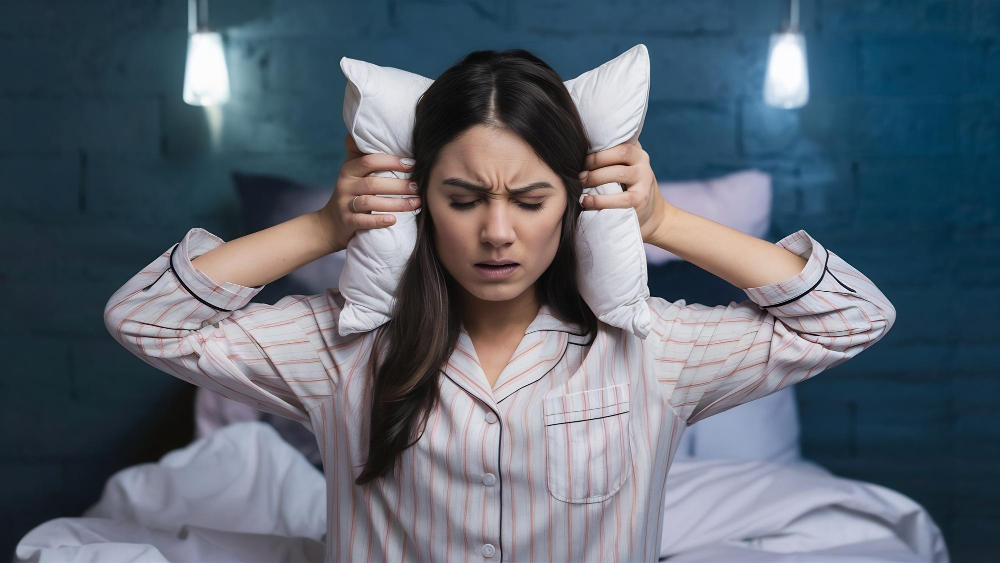
What Are Stress and Insomnia?
Stress and insomnia often go hand in hand. Stress is your body’s response to challenges or worries. Insomnia means trouble falling or staying asleep. Both can affect anyone, no matter where you live. According to the CDC, about one in three adults do not get enough sleep. When stress builds up, sleep can suffer. For many people, this cycle repeats, making each problem worse.
How Stress Affects Sleep
When you feel stressed, your body releases hormones like cortisol. As a result, your mind stays alert, making it hard to relax. Even small worries can keep you awake. Over time, stress can make falling asleep harder. In fact, the World Health Organization notes that ongoing stress is a main cause of poor sleep quality. Because of this, many people find themselves tossing and turning at night.
Common Symptoms of Stress-Related Insomnia
Stress-related insomnia can show up in many ways. For example, you might notice:
Sometimes, these symptoms can last for weeks or even longer. Because of this, it is important to notice changes early.
Causes and Risk Factors
Many things can lead to stress and insomnia. For instance, big life changes such as moving or starting a new job can trigger stress. In addition, worries about money, health, or family often play a role. Some people are more at risk, including those with anxiety or depression. Also, working night shifts or living in busy cities can increase your risk. The CDC reports that adults in urban areas may face more sleep problems due to noise and light.
Diagnosis of Stress and Insomnia
Doctors use several steps to diagnose stress and insomnia. First, they ask about your sleep habits and daily stress. Sometimes, you may keep a sleep diary for a week or two. In some cases, a doctor may suggest a sleep study. This test checks for other sleep disorders. Because stress and insomnia can look like other problems, a full check-up is important. Your doctor may also ask about your mood and lifestyle.
Evidence-Based Treatments
There are several proven ways to treat stress and insomnia. Cognitive behavioral therapy for insomnia (CBT-I) is one of the best. This therapy helps you change thoughts and habits that hurt sleep. In some cases, doctors may suggest short-term sleep medicines. However, these are not for long-term use. Relaxation techniques, such as deep breathing or meditation, can also help. According to the National Institutes of Health, these methods improve sleep quality for many people.
Lifestyle Tips for Better Sleep
Making small changes can improve your sleep. For example, you can try:
Because everyone is different, you may need to try a few tips to see what works best.
Prevention Strategies
Preventing stress and insomnia starts with healthy habits. For instance, you can manage stress by talking with friends or using relaxation apps. Setting a calming bedtime routine also helps. In addition, learning time management skills can lower daily stress. If you live in a busy area, using earplugs or blackout curtains may help. Over time, these steps can make a big difference in your sleep quality.