
Introduction
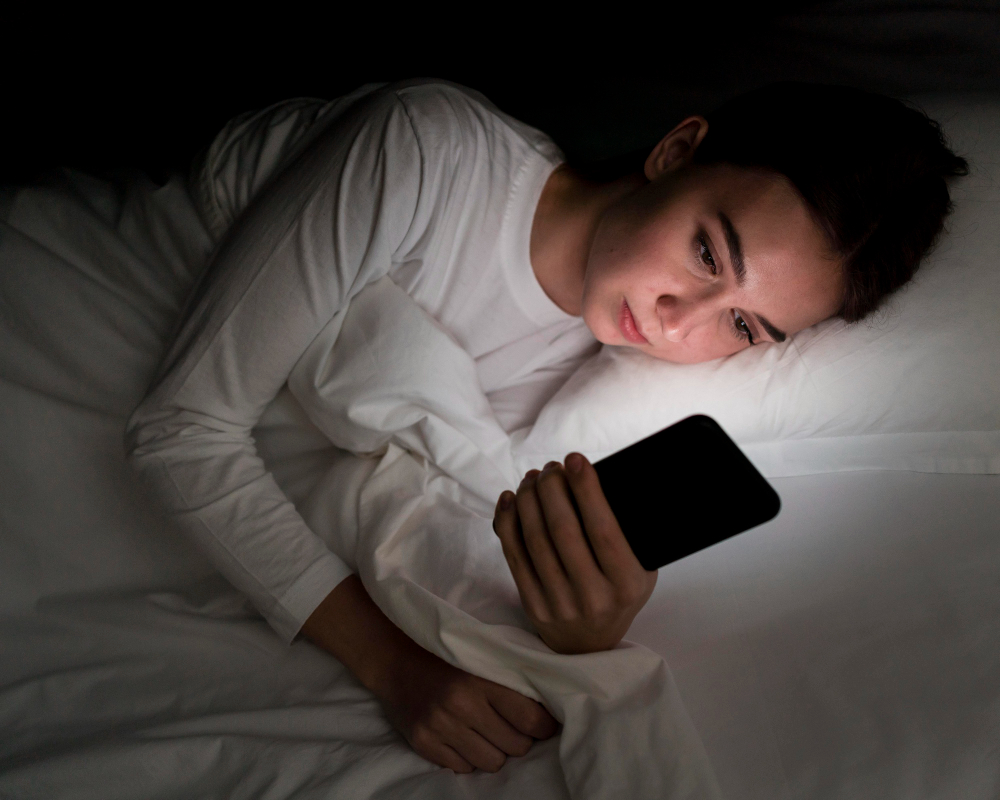
Do you find it hard to sleep without your phone nearby? Many people struggle with this problem. In fact, “can’t sleep without your phone” is a common concern today. Using screens at bedtime can disrupt your sleep. This habit can lead to phone addiction and sleep problems. As a result, you may feel tired and restless the next day. Let’s explore how screens are affecting your sleep and what you can do about it.
Why We Can’t Sleep Without Our Phones
Phones have become a big part of our lives. For many, checking messages or scrolling through social media is a nightly routine. However, this habit can make it hard to fall asleep. Often, we use our phones to relax, but they keep our minds active. In addition, notifications and alerts can disturb us even after we try to sleep. Over time, this can lead to phone addiction and sleep issues.
How Screens Affect Your Sleep Cycle
Screen time before bed can harm your natural sleep cycle. Most screens, like phones and tablets, give off blue light. This blue light tricks your brain into thinking it is still daytime. Because of this, your body makes less melatonin, the hormone that helps you sleep. According to the CDC, less melatonin can make it harder to fall asleep and stay asleep. Therefore, using screens at night can lead to insomnia and poor sleep quality.
Common Symptoms of Screen-Induced Sleep Problems
When you use your phone before bed, you may notice some symptoms. These signs can show that your screen time is affecting your sleep. For example, you might feel tired during the day or have trouble focusing. Over time, these problems can get worse.
Health Risks Linked to Poor Sleep from Screen Use
Poor sleep from too much screen time can harm your health. The World Health Organization warns that long-term sleep loss can lead to serious problems. For instance, you may have a higher risk of heart disease, diabetes, or depression. In addition, poor sleep can weaken your immune system. As a result, you may get sick more often. Children and teens are especially at risk because their bodies and minds are still growing.
Tips to Reduce Phone Use Before Bed
Thankfully, you can take steps to improve your sleep hygiene and reduce phone use. Even small changes can make a big difference. Here are some tips to help you sleep better:
Prevention: Building Healthy Sleep Habits
Building healthy sleep habits can help you avoid screen-induced sleep problems. First, try to go to bed and wake up at the same time every day. Next, create a calm and dark sleep environment. In addition, avoid caffeine and heavy meals before bedtime. If you need help, talk to a healthcare professional about ways to improve sleep hygiene.
In summary, screens can disrupt your sleep and harm your health. However, you can take steps to reduce phone use and improve your sleep. Consult a specialist at Gold Hospital for personalized advice on improving your sleep.