
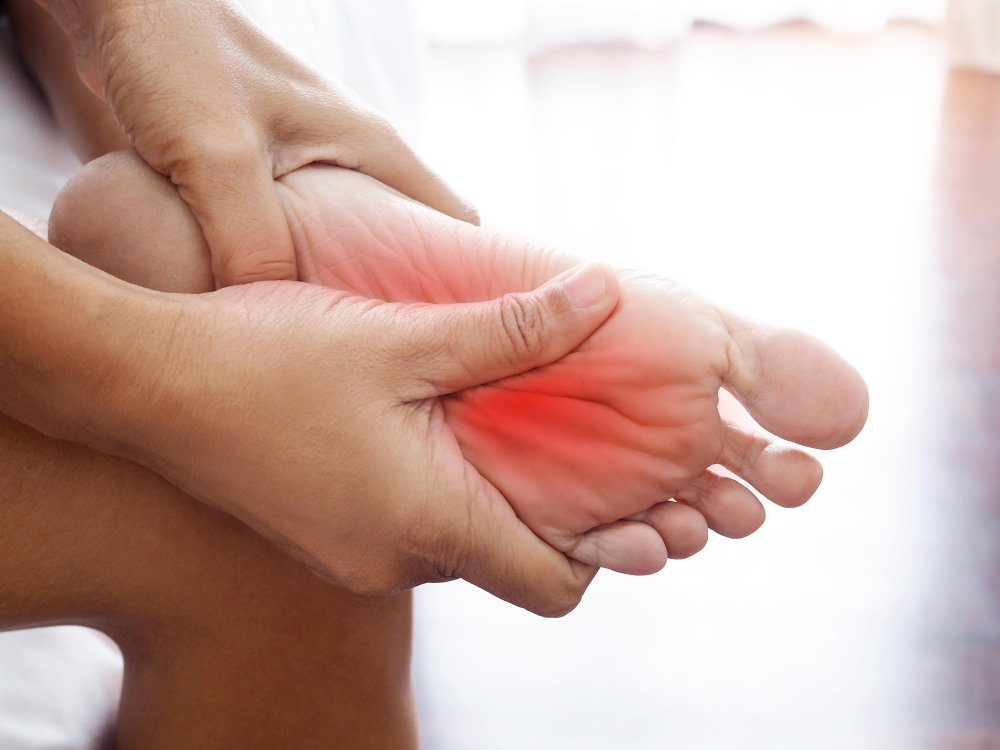
What is Neuropathy?
Neuropathy is a condition where nerves outside the brain and spinal cord get damaged. These nerves help you feel, move, and control many body functions. When they do not work well, you may notice changes in how your body feels or moves. For many people, neuropathy symptoms that affect daily life can make simple tasks harder. Because nerves are important, even small changes can have a big impact.
Common Neuropathy Symptoms
Neuropathy can cause many symptoms. However, not everyone will have the same signs. Some of the most common neuropathy symptoms include:
Because these symptoms can come and go, it is important to pay attention to any changes you notice.
How Neuropathy Symptoms Affect Daily Life
Living with nerve damage can change your daily routine. For example, numbness may make it hard to button a shirt or pick up small objects. In addition, pain or burning can keep you awake at night, making you feel tired during the day. Some people find it hard to walk or keep their balance, so they may avoid going outside or doing chores. As a result, daily life with neuropathy can feel challenging. Even simple tasks like cooking, writing, or driving may become difficult. Because of these changes, many people feel frustrated or worried.
When to Seek Medical Help
It is important to know when to talk to a doctor. If you notice any of the following, you should seek medical help:
Because early treatment can help, do not wait if you notice new or worsening symptoms. Your doctor can help find the cause and suggest the best treatment.
Tips for Managing Neuropathy Symptoms
Although neuropathy symptoms that affect daily life can be hard, there are ways to manage them. Here are some helpful tips:
Because everyone is different, your doctor can help you find the best plan for your needs.
Prevention and Lifestyle Guidance
While not all nerve damage can be prevented, some steps may lower your risk. For example, keeping blood sugar levels in a healthy range can help if you have diabetes. In addition, eating a balanced diet and staying active can support nerve health. Avoiding alcohol and not smoking may also lower your risk. Because regular check-ups can catch problems early, see your doctor as advised. By making healthy choices, you can protect your nerves and improve your quality of life.
If you notice symptoms of neuropathy affecting your daily life, consult a neurologist at Gold Hospital for personalized advice.